Water Heater Failure Cleanup in Sterling Heights, MI
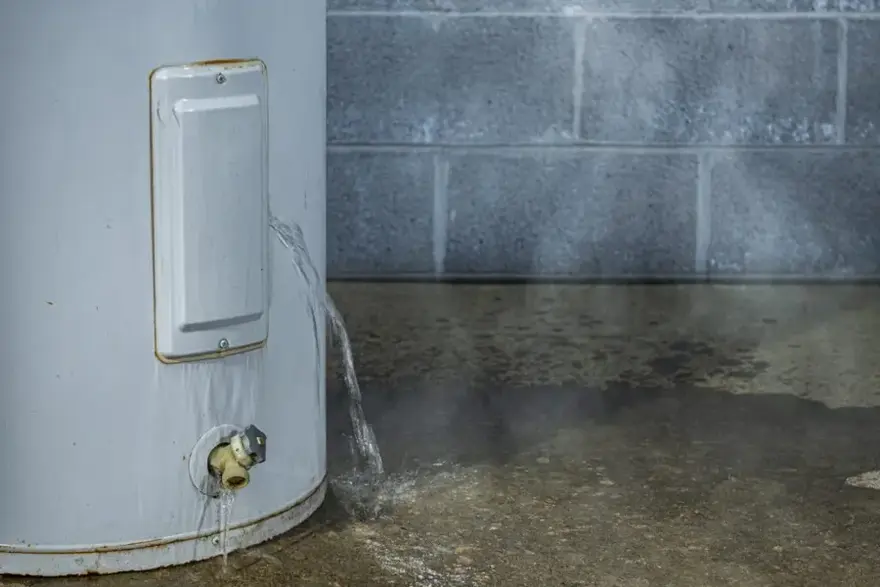
A tank that lets go can empty 40 to 50 gallons, then keep filling from the supply. The extraction crew clears the utility room and the drying team stops the water before it reaches the finished side of the basement.
(888) 612-9219Get water heater failure cleanup started in Sterling Heights- Truck-mounted extraction
- Slab and wall drying
- 24/7 dispatch
What to do first about water heater failure cleanup in Sterling Heights
- 1
Shut the cold supply
Close the cold water valve on top of the tank.
- 2
Turn off the heat
Switch off power at the breaker, or set a gas unit to pilot or off.
- 3
Keep clear of hot water
Water from the tank can be scalding; stay out of it.
- 4
Photograph, then call
Photograph the tank and the wet floor, then call.
What does water heater failure cleanup cost in Sterling Heights, MI?
In Sterling Heights, MI, water heater failure cleanup typically runs $1,200 to $6,000. The drivers are how far the water spread beyond the utility room, how much finished flooring and drywall it reached, and how fast drying started. The new heater is separate.
Utility room only
$1,200 to $2,200
- Extraction
- Slab drying
- Moisture readings
Into the finished side
$2,200 to $4,000
- Carpet pad out
- Bottom drywall dried or cut
- Air movers and LGR units
Most of the basement
$4,000 to $6,000+
- Wide flooring removal
- Wall cavity drying
- Full structural drying
Ranges move with the water category, the square footage, the material class and how fast drying started. For a planning number, try the Sterling Heights water damage cost calculator.
In most Sterling Heights homes the water heater sits in the basement, often right next to a finished family room. When a tank rusts through, the water spreads across the slab and under the partition wall, into carpet and paneling on the other side.
Why water heaters fail
- Tanks at the end of their life, often 8 to 12 years
- Corrosion from a worn anode rod
- Sediment buildup that overheats the bottom of the tank
- Failed supply fittings, drain valves and relief valve lines
- Relief valves discharging when pressure or temperature runs high
How the cleanup works
Once the water supply to the tank is off, the extraction crew removes standing water from the utility room and anywhere it traveled. The tech who does the walkthrough checks under partition walls, carpet edges and paneling with meters, because that is where hidden water sits.
Clean water from a tank is usually Category 1, so much of the finished basement can often be dried in place when drying starts early. Carpet pad that is soaked is replaced. The drying team dries the slab, the bottom plates and the lower drywall with air movers and LGR dehumidifiers, logging readings each day.
Trade fact: a floor drain near the water heater does not mean the water went down it. A flat slab often sends the water toward the finished rooms instead.
Replacing the tank
A plumber replaces the heater, and a drain pan with a leak alarm can catch the next failure early. EPA WaterSense leak checks cover spotting leaks early, and the Consumer Product Safety Commission lists recalls. See basement flooding cleanup when water reached the whole lower level.
How water heater failure cleanup is handled in Sterling Heights, MI
Every step follows the IICRC S500 drying standard, and each one leaves a record for the claim file.
- 1
Map the moisture
The tech who does the walkthrough maps moisture with pinless meters and thermal imaging before any equipment goes down, and sets the category and class of the loss.
- 2
Extract
The extraction crew pulls standing water with truck-mounted extraction, so it leaves the house instead of soaking further into slab, carpet pad and bottom plates.
- 3
Dry the structure
The drying team sets air movers to each room's evaporation load and runs LGR dehumidifiers, or desiccants for Class 4 materials like concrete block and hardwood.
- 4
Verify dry
Most crews pull equipment only when wet materials read within 2 to 4 points of a dry reference in the same house, with daily readings logged for the claim file.
Where the Sterling Heights water heater failure cleanup crew works
The Sterling Heights restoration crew covers the whole city, from the Warren border at 14 Mile north to Hall Road, and from Dequindre east to the Clinton River and Dodge Park, plus the Macomb County towns around it.
See every side of town and ZIP codeWater Heater Failure Cleanup questions in Sterling Heights
Short answers to what Sterling Heights homeowners ask most about water heater failure cleanup.
How long do water heaters last?
Tank heaters often last 8 to 12 years. Rust at the base or water in the drain pan are signs of trouble.
Is water heater damage covered by insurance?
Sudden tank failures are often covered, while the heater itself may not be. Coverage depends on your policy, so it is worth checking with your own insurer.
Can the carpet next to the utility room be saved?
Often, when the water is clean and extraction starts early. Soaked pad is usually replaced.
Why is water under the wall on the other side?
The slab is rarely perfectly level, and water travels under bottom plates into the next room.
Is the water from a heater clean?
Usually it is Category 1, but sediment and time can change that if it sits for days.
What prevents the next leak?
A drain pan with a leak alarm, an automatic shutoff valve and regular flushing of sediment.
Water Heater Failure Cleanup in Sterling Heights? Get the drying started today.
Every hour water sits pushes it deeper into carpet pad, drywall and the slab. The Sterling Heights restoration team works around the clock.