Burst Pipe Cleanup in Sterling Heights, MI
A split supply line pushes water under pressure until someone shuts it off. The restoration team extracts it, opens the walls and ceilings it ran into, and dries each cavity to readings.
(888) 612-9219Get burst pipe cleanup started in Sterling Heights- Category 1 when caught early
- Cavity drying
- 24/7 dispatch
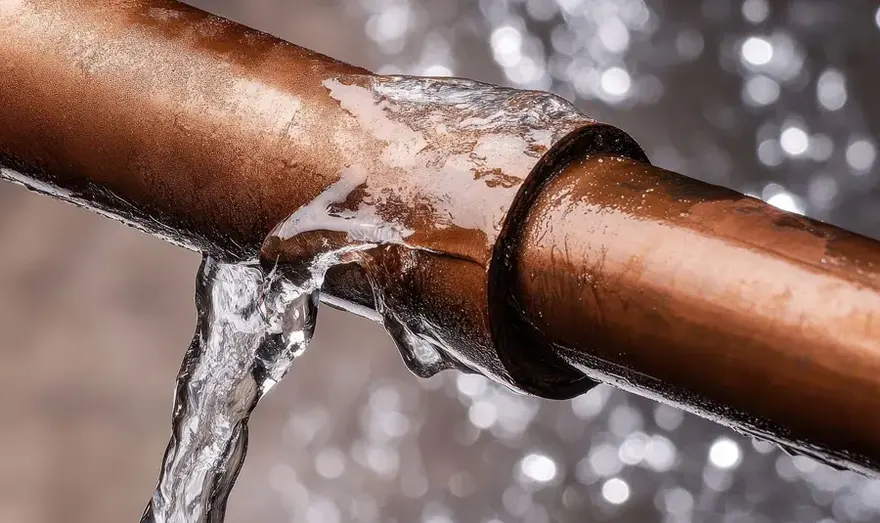
What to do first about burst pipe cleanup in Sterling Heights
- 1
Shut the main
Close the main valve, usually in the basement on the street side of the house.
- 2
Kill wet circuits
If the panel is dry, switch off circuits in wet rooms and ceilings.
- 3
Catch the drips
Put buckets under ceiling leaks; stay out from under a sagging ceiling.
- 4
Photograph, then call
Photograph the pipe and each wet room, then call.
What does burst pipe cleanup cost in Sterling Heights, MI?
In Sterling Heights, MI, burst pipe cleanup typically runs $1,500 to $10,000. The drivers are how long the water ran, how many levels it reached, the materials that got wet and how fast drying started. The plumbing repair is separate.
One room
$1,500 to $3,000
- Extraction
- Cavity drying
- Daily readings
Two levels
$3,000 to $6,500
- Ceiling and wall removal
- Insulation out
- Air movers and LGR units
Three levels or long run
$6,500 to $10,000+
- Wide material removal
- Basement drying
- Full structural drying
Ranges move with the water category, the square footage, the material class and how fast drying started. For a planning number, try the Sterling Heights water damage cost calculator.
A burst supply pipe can move a lot of water fast, and it goes where gravity takes it: into wall cavities, through the ceiling below and down into the basement. In a two-story colonial, one split line upstairs can wet three levels.
Why pipes burst in Sterling Heights homes
- Supply lines in exterior walls and over garages that freeze in deep cold
- Copper fittings and joints that fail with age
- Water pressure spikes that stress older lines
- Plastic supply lines and fittings that crack at connections
- Hose bibs with the shutoff left open over winter
How burst pipe damage is cleaned up
Once the water is off and a plumber has repaired the pipe, the extraction crew pulls standing water from every level it reached. The tech who does the walkthrough then maps the moisture with thermal imaging and pinless meters, because the visible puddle is rarely the whole story.
Drywall and ceiling sections that are saturated or sagging come out. Where drywall is only damp, the drying team may dry the cavity in place by drilling small holes at the base and pushing dry air through. Wet insulation is removed. Air movers and LGR dehumidifiers run until readings reach the drying goal.
Trade fact: water from a clean supply line is Category 1, but it can become Category 2 if it sits for days or runs through dirty materials, which changes what can be saved.
Before the rebuild
Every wet cavity is verified dry before new drywall goes up, or trapped moisture can come back as stains and odor. EPA WaterSense leak tips cover finding leaks early, and National Weather Service cold safety covers freeze prevention. See frozen pipe cleanup for freeze bursts.
How burst pipe cleanup is handled in Sterling Heights, MI
Every step follows the IICRC S500 drying standard, and each one leaves a record for the claim file.
- 1
Map the moisture
The tech who does the walkthrough maps moisture with pinless meters and thermal imaging before any equipment goes down, and sets the category and class of the loss.
- 2
Extract
The extraction crew pulls standing water with truck-mounted extraction, so it leaves the house instead of soaking further into slab, carpet pad and bottom plates.
- 3
Dry the structure
The drying team sets air movers to each room's evaporation load and runs LGR dehumidifiers, or desiccants for Class 4 materials like concrete block and hardwood.
- 4
Verify dry
Most crews pull equipment only when wet materials read within 2 to 4 points of a dry reference in the same house, with daily readings logged for the claim file.
Where the Sterling Heights burst pipe cleanup crew works
The Sterling Heights restoration crew covers the whole city, from the Warren border at 14 Mile north to Hall Road, and from Dequindre east to the Clinton River and Dodge Park, plus the Macomb County towns around it.
See every side of town and ZIP codeBurst Pipe Cleanup questions in Sterling Heights
Short answers to what Sterling Heights homeowners ask most about burst pipe cleanup.
Is a burst pipe covered by homeowners insurance?
Sudden and accidental discharge, like a burst pipe, is often covered, while slow leaks and neglect may not be. Coverage depends on your policy, so it is worth checking with your own insurer.
Can wet drywall be dried instead of replaced?
When it is only damp and the water was clean, cavities can sometimes be dried in place. Saturated or sagging drywall comes out.
Why is my ceiling sagging after a pipe burst?
Water pools on top of the ceiling drywall. Stay out from under it; it can fall without warning.
How long does drying take after a burst pipe?
A contained loss usually dries in three to five days. Multi-level losses and hardwood floors take longer.
Should I turn the heat up to dry things out?
Heat alone can spread moisture and odor. Controlled drying with dehumidifiers is what brings readings down.
What if the pipe burst while I was away?
Water that ran for days may have become Category 2 and soaked deeper. The walkthrough maps it before anything is decided.
Burst Pipe Cleanup in Sterling Heights? Get the drying started today.
Every hour water sits pushes it deeper into carpet pad, drywall and the slab. The Sterling Heights restoration team works around the clock.